Tsingy de Bemaraha
What is Tsingy de Bemaraha?
Tsingy de Bemaraha is a spectacular limestone stone forest in western Madagascar. It is famous for sharp karst pinnacles, canyons, dry forest, caves, viewpoints and endemic wildlife.
What is the difference between Grand Tsingy and Small Tsingy?
Grand Tsingy is more adventurous, with via ferrata sections, ladders, rope bridges and higher viewpoints. Small Tsingy is shorter and gentler, with easier limestone corridors and good viewpoints.
Is Grand Tsingy difficult?
Yes, Grand Tsingy is a real adventure circuit. You need reasonable fitness, good shoes and comfort with heights. A certified local guide and safety equipment are required for the technical parts.
Can beginners visit Tsingy?
Yes. Beginners can start with Small Tsingy or Manambolo Gorge. Grand Tsingy is possible for many travelers, but it depends on fitness, weather, age, fear of heights and medical condition.
Is Tsingy suitable for children?
Children are welcome in the Tsingy area, including Grand Tsingy when they are comfortable, supervised and physically able. For Big/Grand Tsingy, parents must assist their children carefully throughout technical sections, ladders, sharp rocks and height exposure. Families may also hire an additional local assistant to help take care of children during the visit. Small Tsingy remains the easier family option.
How long does the Grand Tsingy circuit take?
Most Grand Tsingy visits take around a half day to a full day depending on the selected route, season, group rhythm and photo stops.
What should I wear for Tsingy?
Wear closed hiking shoes with good grip, light breathable clothes, long pants or trousers, a hat, sunscreen and a small daypack. Long pants help protect your legs from sharp limestone, plants and insects. Gloves can be useful because the rocks are sharp. A headlamp or flashlight is also useful for early starts, caves, camp areas or unexpected low-light situations, and insect repellent is strongly recommended.
Do I need a guide inside Tsingy?
Yes. Park visits are guided. A local certified guide helps with safety, route choice, park interpretation, wildlife observation and timing.
When is the best season to visit Tsingy?
The best time to visit Tsingy de Bemaraha is generally from April to November. During this period, road access, park circuits and outdoor activities are usually more favorable than during heavy rains. Conditions can still vary, so it is always important to confirm road and park access before departure.
Can I visit Tsingy during rainy season?
Access can be difficult or impossible during the rainy season because roads, ferries and tracks may be affected. The exact opening and road condition should be checked before travel.
What animals can I see in Tsingy?
Possible wildlife includes Decken’s sifaka, Rufous Brown lemurs, sportive lemurs, ring-tailed mongoose, reptiles, insects and many dry-forest species. Birdlife may include giant coua, Madagascar paradise flycatcher and other endemic or regional birds. Wildlife sightings are never guaranteed, but a good local guide helps you understand the best places, timing and behavior to look for.
Is Tsingy de Bemaraha good for birdwatching?
Yes. Tsingy de Bemaraha is an excellent place for birdwatching, especially for travelers interested in dry-forest and limestone-habitat species. With patience and the right timing, birders may search for species such as the Tsingy Wood Rail, Madagascar pygmy kingfisher, Schlegel’s asity, Madagascar fish eagle, giant coua, Madagascar paradise flycatcher and several raptor birds. Sightings depend on season, weather, time of day and field conditions, so an early start with a local guide is strongly recommended.
Is the Manambolo Gorge part of the Tsingy experience?
Yes, many tours combine Tsingy with a pirogue ride in Manambolo Gorge, including canyon scenery, caves, sacred sites and riverside landscapes.
Is a night walk possible around the Tsingy area?
Yes, a night walk is possible in the forest surrounding the village of Bekopaka with a local guide. It is not done inside the sharp limestone circuits themselves. This experience is ideal for observing nocturnal wildlife such as mouse lemurs, including grey mouse lemurs and Peter’s mouse lemur, as well as several chameleon species, insects, frogs and other small night creatures. A headlamp or flashlight and insect repellent are strongly recommended.
What is Oliha and why add it to a Tsingy tour?
Oliha is a beautiful wilderness extension from the Tsingy region, often described as a small paradise for travelers who love nature, quiet landscapes and adventure. The area offers natural swimming pools, waterfall scenery and a peaceful river atmosphere. It is especially recommended for visitors who want to go beyond the classic circuits and experience a more remote, refreshing and memorable side of Bemaraha.
Can I add sunrise or sunset experiences in Tsingy?
Yes. Sunrise and sunset experiences in the Tsingy area can be proposed as extra services depending on season, access, weather, timing and safety conditions. They are excellent options for photography, soft light, landscape atmosphere and a more exclusive feeling around the limestone scenery. Ask in advance so the route, departure time and guide organization can be planned properly.
Avenue of the Baobabs
Where is Avenue of the Baobabs?
Avenue of the Baobabs is near Morondava in western Madagascar. It is one of the most famous landscapes in the country and is often visited before or after a Tsingy circuit.
What is the best time to visit Avenue of the Baobabs?
Sunset is the most popular time because the light becomes warm and dramatic. Sunrise can also be beautiful and quieter.
Can I visit Avenue of the Baobabs on the way to Tsingy?
Yes. Many circuits stop there on the route between Morondava and Bekopaka, especially on the return when timing allows a sunset stop.
How much time should I spend at the Avenue of the Baobabs?
For a simple visit, 30 minutes to 1 hour can be enough. For photography, sunset, portraits and relaxed viewing, plan more time.
Is Avenue of the Baobabs good for photography?
Yes. It is excellent for landscape, portrait and sunset photography. Bring a charged phone or camera, extra battery and avoid standing in the road when vehicles pass.
Are there local vendors near the Baobabs?
Often yes. You may find souvenirs or local sellers around the area, depending on season and time of day.
Can I see baobabs outside the main avenue?
Yes. Western Madagascar has many baobab landscapes, including areas near Morondava, Kirindy and along routes used for Tsingy circuits.
Is the visit physically difficult?
No. The main viewpoint is easy to access, but the road can be dusty or muddy depending on season.
Do I need a guide for Baobab Avenue?
A guide is not always required for a simple stop, but a local guide or driver helps with timing, route, photos, local context and combining it with the rest of the circuit.
Is sunset always guaranteed?
No. Weather, clouds and road delays can affect sunset conditions. It is best to plan with enough time and flexibility.
Kirindy Forest
What is Kirindy Forest famous for?
Kirindy Forest is known for dry deciduous forest, nocturnal wildlife, lemurs, reptiles and the fossa, Madagascar’s famous carnivorous mammal.
Can I see fossa in Kirindy?
Fossa sightings are possible, especially in certain seasons and conditions, but never guaranteed because wildlife is free and natural.
Is Kirindy good for night walks?
Yes. Kirindy is well known for night walks where travelers may see nocturnal lemurs, mouse lemurs, geckos, chameleons and other small wildlife.
How many nights should I stay in Kirindy?
One night can be enough for a short wildlife stop, especially if you can do a night walk. More time gives better wildlife chances.
Can Kirindy be combined with Tsingy?
Yes. A complete western circuit often connects Morondava, Kirindy, Bekopaka, Tsingy de Bemaraha and Avenue of the Baobabs.
What should I bring for Kirindy?
Bring a flashlight or headlamp, insect repellent, closed shoes, light long sleeves, water and a camera with good low-light performance if possible.
Is Kirindy hot?
Yes, it can be very hot and dry. Drink water regularly, use sun protection and follow the guide’s rhythm.
Are there mosquitoes in Kirindy?
Mosquitoes may be present, especially around dusk or after rain. Repellent and long sleeves are recommended.
Is Kirindy suitable for families?
Yes, many families enjoy Kirindy, but night walks, heat and long driving distances should be considered for children.
Do I need a guide in Kirindy?
Guided walks are strongly recommended or required depending on the site rules. A guide improves safety and wildlife spotting.
Visa & Entry
Do tourists need a visa for Madagascar?
Most international travelers need the correct entry permission for Madagascar. The official Madagascar eVisa platform states that all nationalities are eligible for eVisa, and travelers can apply between one week and six months before departure.
What is the official eVisa website?
Use the official Madagascar eVisa platform announced by the government: evisamada.gov.mg / evisamada-mg.com. Avoid unofficial lookalike websites.
Can I get a visa on arrival?
Tourist visas for short stays may be available at international airports and ports, but rules and fees can change. It is safer to verify before travel and consider applying online in advance.
How long before travel should I apply for eVisa?
The official eVisa platform says travelers can apply between one week and six months before departure.
What documents are usually needed?
Common requirements include a valid passport, travel dates, flight information, accommodation information and payment method. Airlines may also ask for onward or return ticket proof.
How long should my passport be valid?
Many travel authorities recommend at least 6 months passport validity from entry date. Check your airline and official visa source before departure.
Are visa fees fixed?
Visa fees can change. Always check the official eVisa platform before quoting prices to clients.
Do children need visas?
Children usually need their own travel documents and entry authorization. Check official requirements for minors before travel.
Is the guide responsible for visa approval?
No. The traveler is responsible for passport, visa, vaccination, insurance and airline entry requirements. The guide can advise but cannot guarantee entry.
Should I print my eVisa or travel authorization?
Yes. Keep both a digital copy and a printed copy, together with passport, return ticket and accommodation/tour confirmation.
Packing & Travel Preparation
What shoes should I pack?
Pack closed hiking shoes or trail shoes with strong grip. Avoid sandals for Tsingy circuits because the limestone is sharp and uneven.
What clothes are best?
Bring light breathable clothes, long sleeves for sun and insects, a hat, sunglasses and a light rain jacket depending on season.
What should I pack for sun protection?
Bring high-SPF sunscreen, a wide-brim hat or cap, sunglasses and lip balm. The western region can be very hot and exposed.
Do I need insect repellent?
Yes. Bring mosquito repellent, especially for Kirindy, river areas, evenings and camping programs.
What documents should I carry?
Carry passport, visa or travel authorization, insurance details, emergency contacts, flight tickets, booking confirmation and copies stored offline.
Should I bring cash?
Yes. Bring enough Malagasy Ariary cash for personal expenses, drinks, tips and small purchases because card payments and ATMs are limited outside major towns.
What medicine should I bring?
Bring personal medication, basic first-aid items, motion-sickness tablets if needed, rehydration salts, antiseptic, plasters and any doctor-recommended malaria prevention.
What bag is best for daily excursions?
Use a small daypack for water, camera, sunscreen, snacks, rain jacket and personal items. Keep it light for Tsingy routes.
Do I need a flashlight?
Yes, a headlamp or flashlight is useful for Kirindy night walks, camping, power cuts and early departures.
Should I bring a power bank?
Yes. Bring a power bank and spare camera batteries because charging may be limited during remote travel or camping.
What should I pack for camping or Oliha expedition?
Bring quick-dry clothes, towel, headlamp, insect repellent, personal hygiene items, waterproof bag, light warm layer and personal medication.
Can I bring a drone?
Drone use may require permission and may be restricted in parks or sensitive areas. Always ask before flying.
Transport, Road & Comfort
Do I need a 4x4 for Tsingy?
Yes, a 4x4 is strongly recommended and often necessary because roads to Bekopaka can be rough, dusty, sandy or muddy depending on season.
How long is the road from Morondava to Bekopaka?
Travel time varies with road condition, ferry timing, weather and stops. It is a long travel day and should be planned with flexibility.
Are ferries included in the circuit?
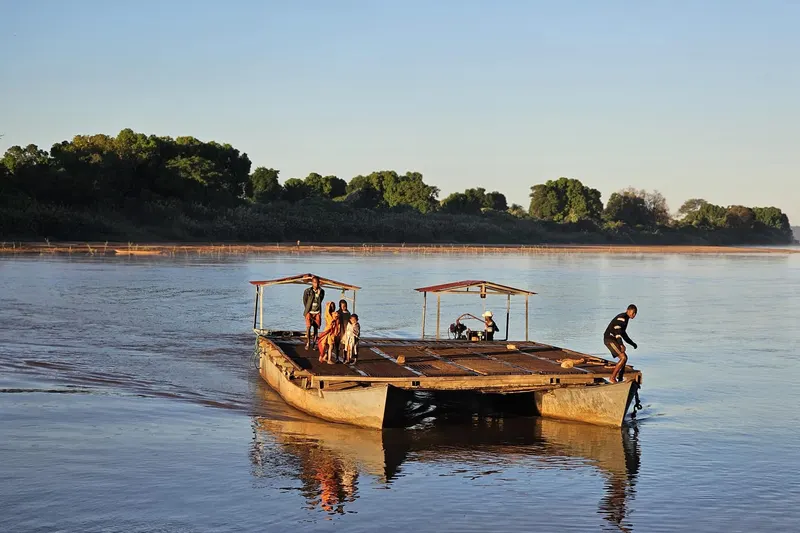
Many Tsingy circuits include river ferry crossings, especially on routes involving the Tsiribihina and Manambolo areas. Confirm this in the final quote.
Are roads comfortable?
Roads can be rough, bumpy and dusty. Travelers should expect adventure-road conditions, not highway comfort.
What type of accommodation is used in Bekopaka?
Bekopaka packages commonly use Orchidé Hotel, Olympe de Bemaraha or similar depending on availability and comfort level requested.
Is accommodation in Morondava included?
In many packages, Morondava accommodation is excluded unless specifically requested. It can be added to the quote if needed.
Are meals included?
Meals may be included depending on the confirmed package. Always check the included and excluded section of the final quote.
Can dietary needs be arranged?
Usually yes if communicated early. Vegetarian meals and allergies should be mentioned before confirming the tour.
Is bottled water included?
Many packages include bottled water per person per day. Extra drinks or alcoholic beverages are usually excluded.
Can the itinerary be customized?
Yes. Packages can be adjusted according to travel dates, group size, comfort level, flight timing, physical condition and interests.
What happens if weather changes the program?
The itinerary may be adapted for safety, road access, park rules or river conditions. Flexibility is important in western Madagascar.
Is travel insurance recommended?
Yes. Travel insurance with medical and evacuation coverage is strongly recommended for remote travel and adventure circuits.
Booking & Guide Service
How do I request a quote?
Send travel dates, number of travelers, preferred package, comfort level, arrival/departure details and any special needs by WhatsApp or email.
Can I book a private tour?
Yes. Private tours are possible and can be adapted to your rhythm, interests and available days.
Can solo travelers book?
Yes. Solo travelers can request a private quote. Cost depends on vehicle, guide service, accommodation and route logistics.
What affects the tour price?
Price depends on number of travelers, dates, duration, vehicle, fuel, park fees, guide service, accommodation, meals, ferry crossings and extra activities.
Is the cost shown online final?
If the page says cost on request, the final price must be calculated according to travel dates, group size, services included and availability.
What languages can the guide use?
Guide language depends on availability. Ask in advance for English, French or other language preferences.
Are tips included?
Tips are usually not included and remain optional, according to satisfaction and local custom.
What is responsible travel in Tsingy and western Madagascar?
Responsible travel means respecting park rules, wildlife, sacred sites, local communities, waste management and guide instructions.
Can the guide help with photography timing, sunrise and sunset?
Yes. The guide can help plan good timing for Tsingy viewpoints, sunrise or sunset in the Tsingy area, Baobab Avenue sunset and wildlife observation, depending on access, weather, safety conditions and the final itinerary. Sunrise and sunset arrangements in Tsingy can be proposed as extra services when feasible.
What should I send before booking?
Send your full name, travel period, number of travelers, package choice, accommodation preference, fitness level, dietary needs and WhatsApp contact.
Explore the Stone Forest with Hubert
Authentic local guiding, certified professionalism, and meaningful discovery of Tsingy de Bemaraha and Western Madagascar.